Getting Started: What We're Doing and Why
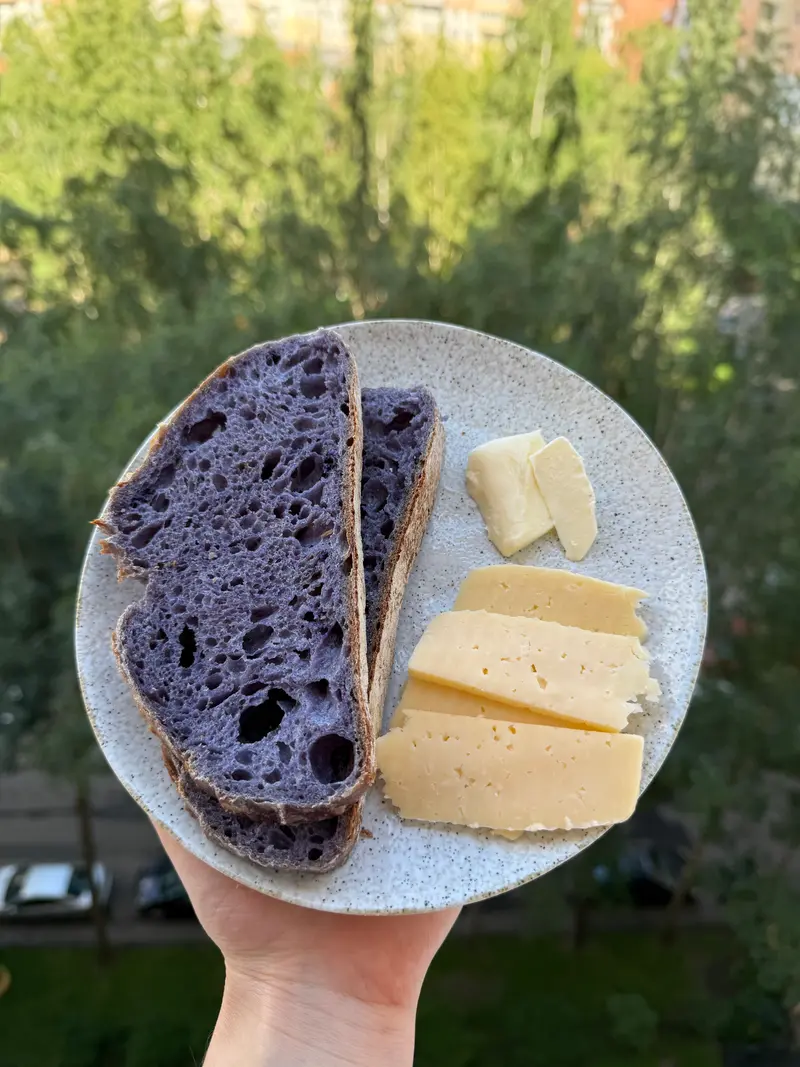
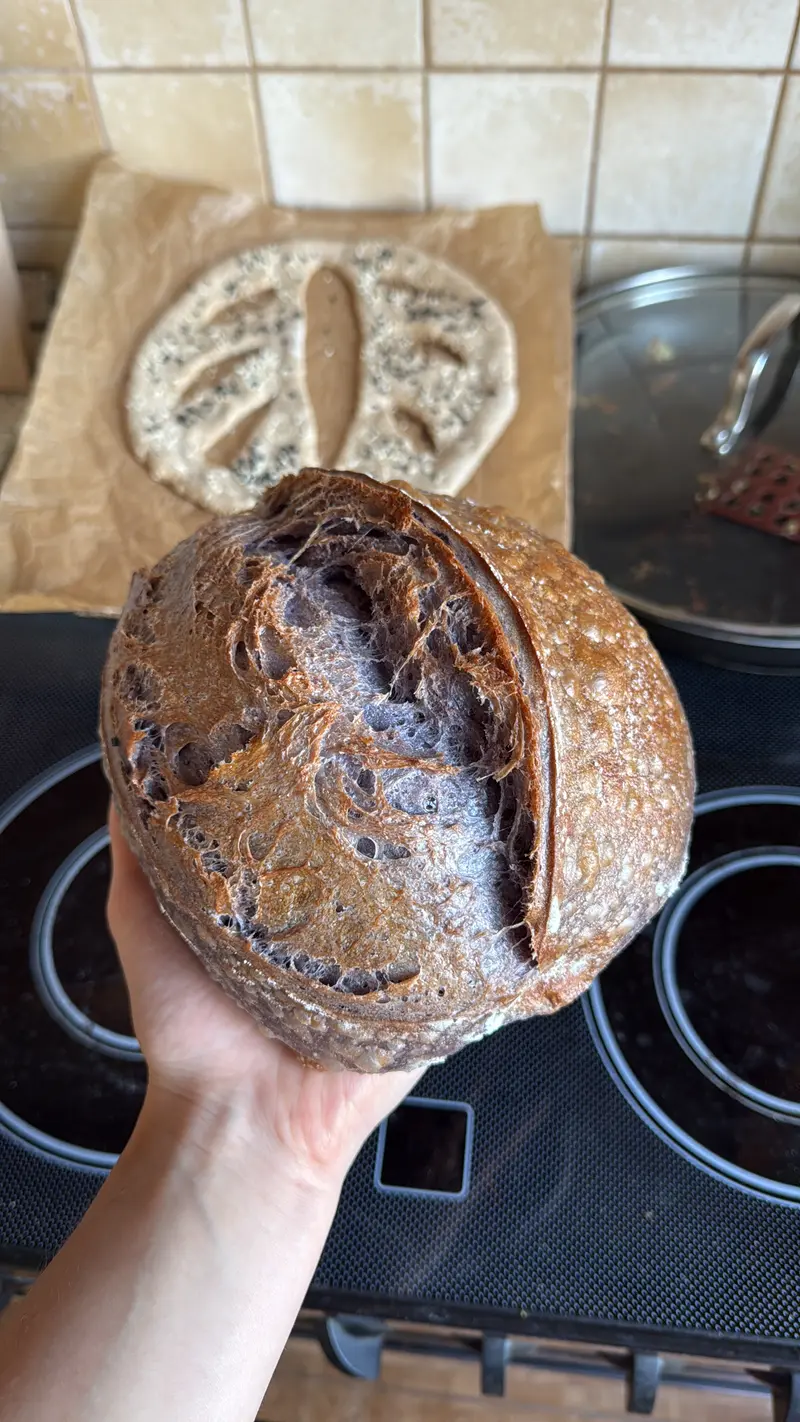
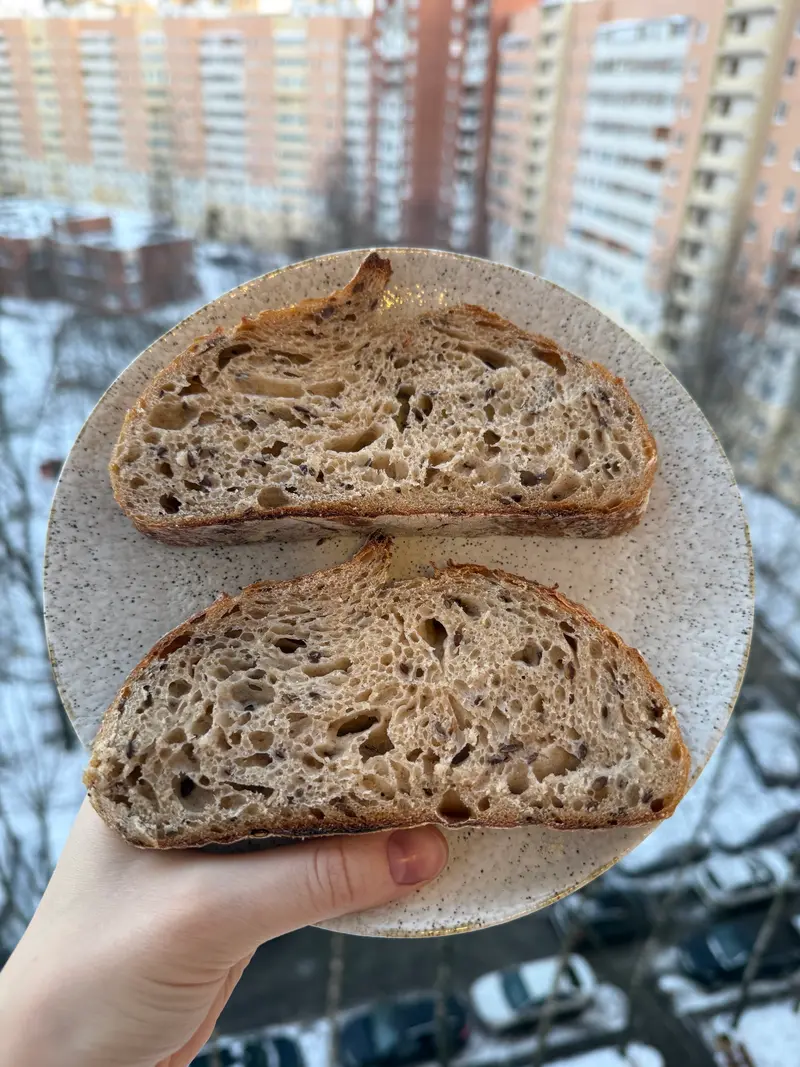
In 5-7 days you'll have your own sourdough starter — a living organism that can last for years and produce incredible bread. All you need is flour, water, and a little patience.
Each day — one short lesson and one simple action. Today we'll prepare everything we need and make our first mix.
What You'll Need
Flour
For the best start, use whole grain rye and/or whole wheat flour:
- Whole grain flour retains the bran and germ — that's where the enzymes live, which break down starch into food for bacteria.
- Rye flour contains more "food" for microorganisms — it kicks off fermentation faster and is more forgiving.
Water
Regular tap water or filtered water. Room temperature, 70-77°F (21-25°C).
Jar
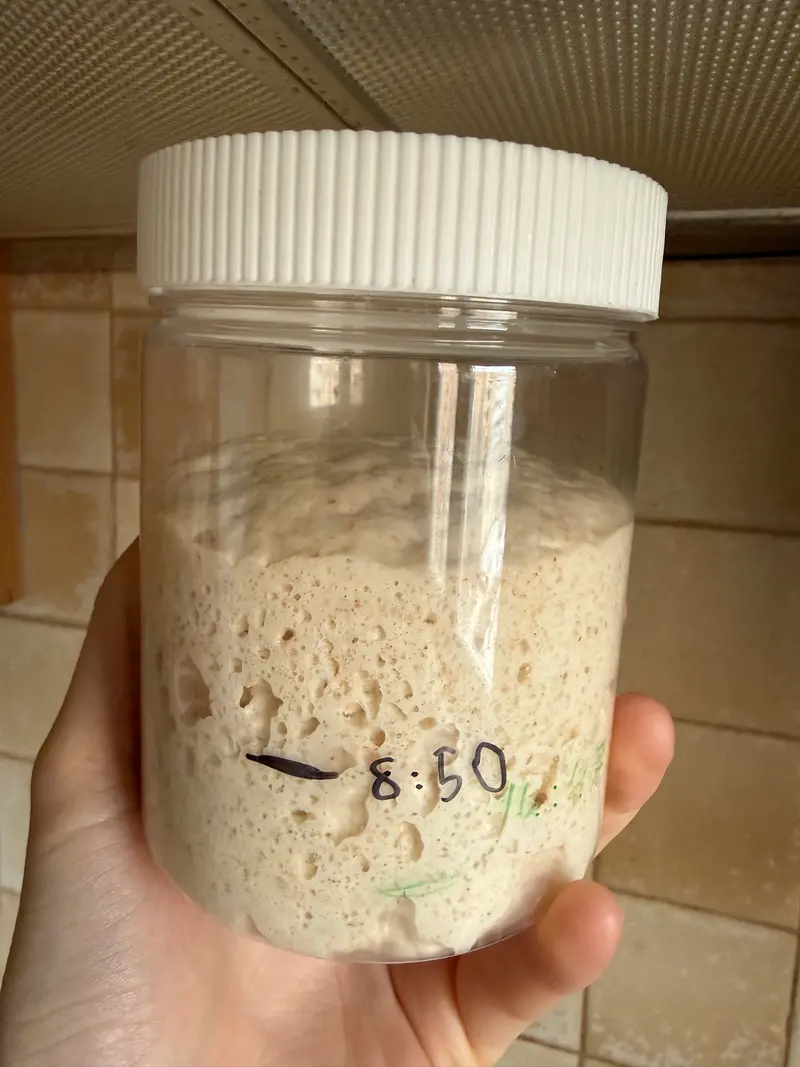
A container about the size of a plastic cup, preferably with straight walls and something to cover the opening.
Lid
Cover it, but don't seal it tight! Fermentation produces gas that needs to escape. Place a lid loosely on top, cover with a saucer, or use a cloth secured with a rubber band.
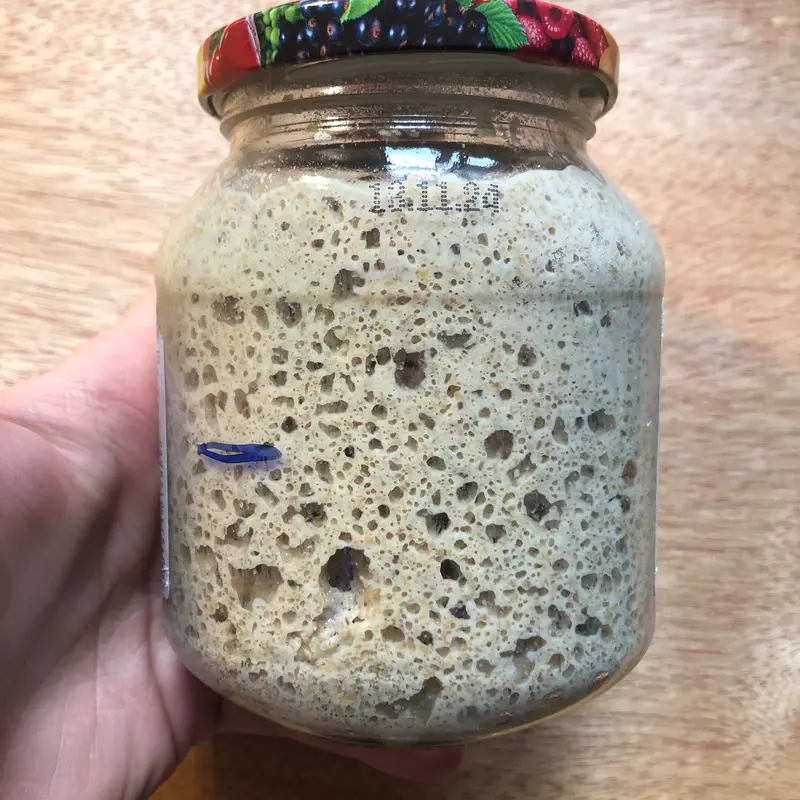
Where to Place the Jar
- Temperature 70-79°F (21-26°C) — a warm spot in the kitchen.
- Not next to a heater — one-sided heating creates an uneven environment.
- Not on a windowsill — day/night temperature swings slow things down.
- Not in direct sunlight — it may dry out or overheat.
Making the First Mix
Two methods — pick whichever feels right:
Method 1: Intuitive (no scale) — recommended!
- Pour water into your jar — roughly a shot glass (30-50 ml)
- Add a tablespoon of whole grain rye flour
- Gradually add wheat flour, stirring, until you reach the consistency of thick pancake batter — really thick, where a spoon stands up but the mass is still pliable
- Mix well to eliminate lumps
- Cover (don't seal!) and place in a warm spot
Method 2: With a Scale (exact proportions)
- Weigh out 50 g of water at room temperature
- Add 5 g whole grain rye + 45 g wheat flour (or 50 g of pure whole grain rye)
- Mix until smooth
- Cover and place in a warm spot
This is a 100% hydration starter — equal parts flour and water by weight.
What Will Happen
Over the next 24-48 hours, a real battle for territory will begin inside the jar. Flour hosts dozens of microorganism species. When you add water, enzymes activate and start breaking down starch into sugars — and all the "residents" rush to those sugars.
At this stage, a strange smell may appear. That's normal — these are temporary "guests" that will later be displaced by lactic acid bacteria.
Today's Checklist
Want to Know More?
Not required to get started, but helpful for understanding the process
▶What is a starter from a scientific perspective
A starter is flour and water inhabited by two types of microorganisms:
🔸 Yeast — makes the dough rise by feeding on simple sugars and producing carbon dioxide.
🔸 Lactic acid bacteria (LAB) — responsible for flavor and preservation. They produce lactic and acetic acids, creating the signature tanginess and mold resistance.
These two live in symbiosis: bacteria create an acidic environment that kills harmful organisms, while yeast shares vitamins and amino acids with the bacteria.
▶Why sourdough beats commercial yeast
Commercial yeast is a single strain (Saccharomyces cerevisiae) bred for speed. A sourdough starter hosts an entire community. What does that give you:
Flavor and aroma. Bacteria and yeast together produce dozens of aromatic compounds. During baking, residual sugars participate in the Maillard reaction — that's what gives the crust its golden color and the classic bread smell.
Shelf life. The acidic environment is a natural preservative. Sourdough bread lasts much longer without mold.
Digestibility. Long fermentation breaks down complex compounds. Proteins become easier to digest, B vitamins are released, and the glycemic index drops.
▶Why whole grain flour specifically
Whole grain flour retains the bran and germ — that's where the enzymes (amylases) live. These enzymes break down starch into food for bacteria. White refined flour has most of these parts removed, so fermentation starts slower and is less stable.